6 Sept
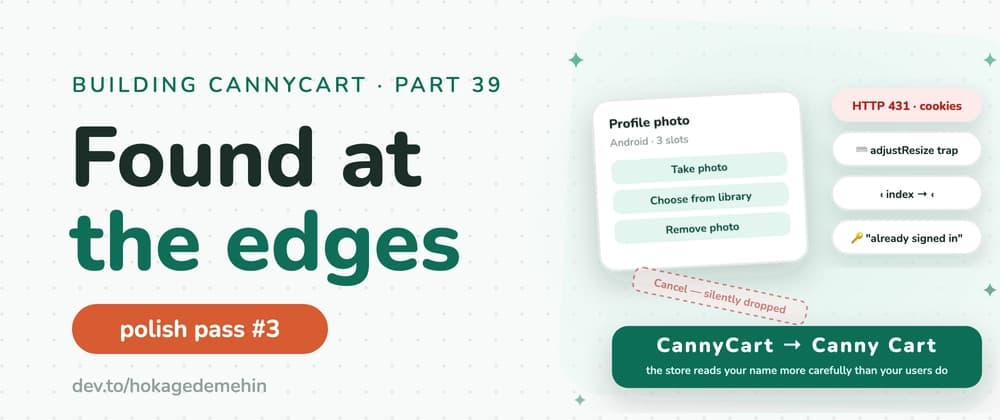
Polish pass #3: store-release edges and platform traps
6 min read · reactnative · mobile · debugging
2026


v1.0.5 · Free · iOS 16.4+ · Shopping


Household shopping lists live in group chats and get lost. The hard part isn't the list — it's keeping web and mobile genuinely in sync without maintaining two backends.
Sole engineer and designer: schema, backend, both clients, design system.
An npm-workspaces monorepo where a Next.js web app and an Expo mobile app share a single Amplify Gen 2 backend, a single auth model and a single set of design tokens.
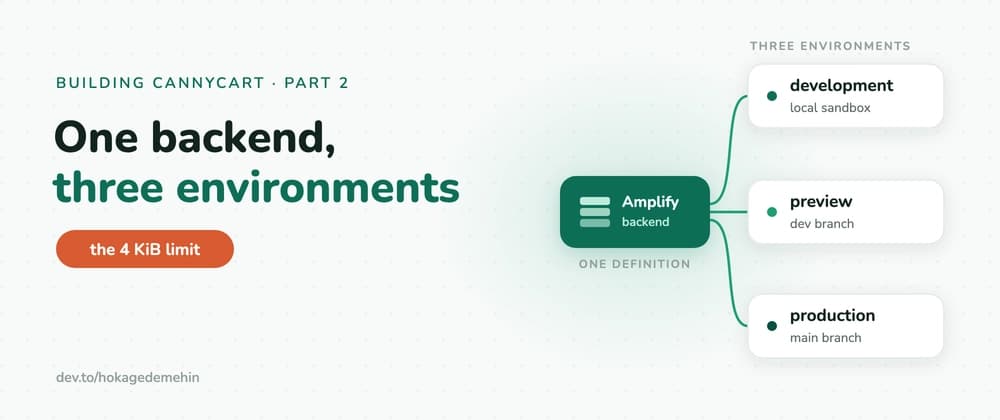
Canny Cart is a monorepo with three moving parts: an Amplify Gen 2 backend (Cognito, AppSync, DynamoDB), a Next.js web app, and an Expo mobile app. All three share one schema and one design token file, which is the whole point — a change to the data model lands in both clients at once.
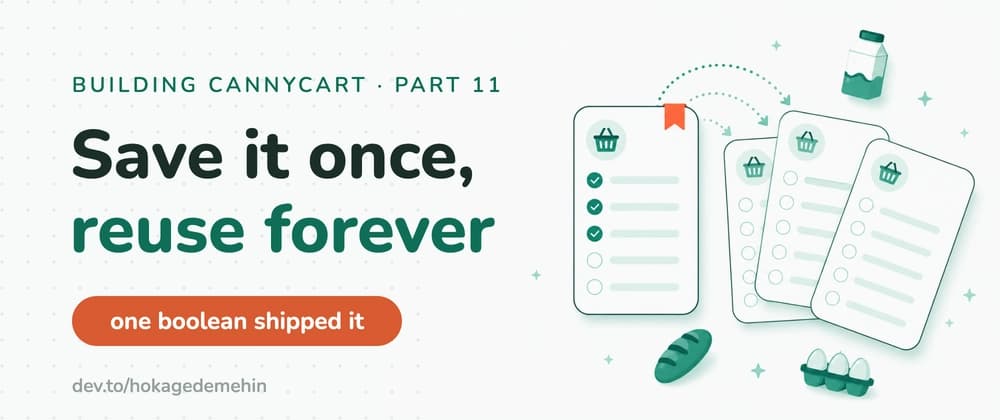
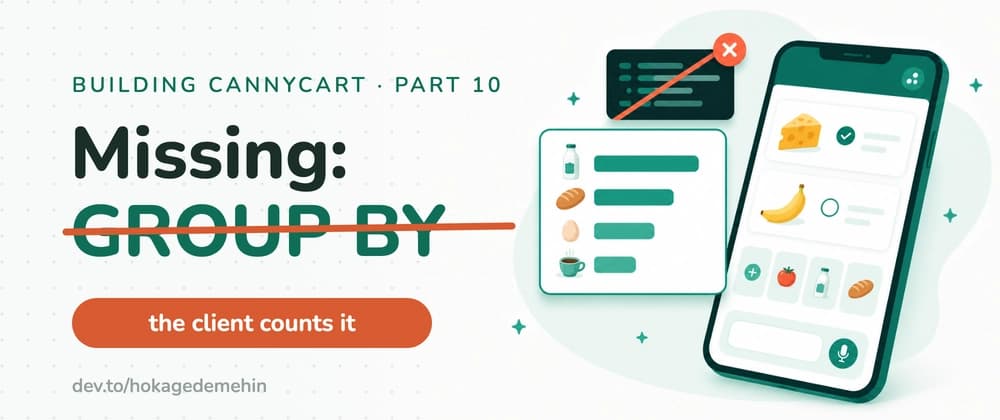
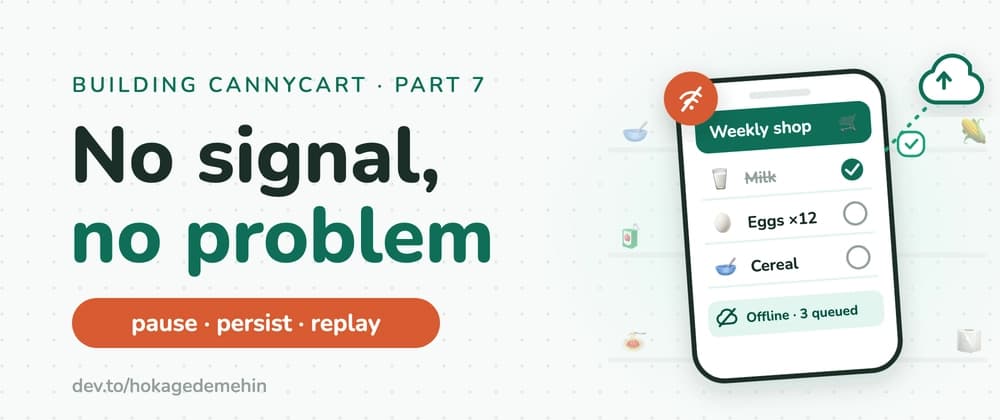
The interesting constraints were mobile-side. DynamoDB has no GROUP BY, so ranking a user's most-added items had to become a client-side aggregation. Reusable list templates turned out to need one boolean on an existing model rather than a new table. Offline behaviour meant mutations had to survive an app kill and replay on reconnect.
39 posts · Jul – Sept 2026
Written while building, not after. Each one is a decision and the trap that made the obvious approach fail.
6 Sept
6 min read · reactnative · mobile · debugging
6 Sept
5 min read · aws · dynamodb · architecture
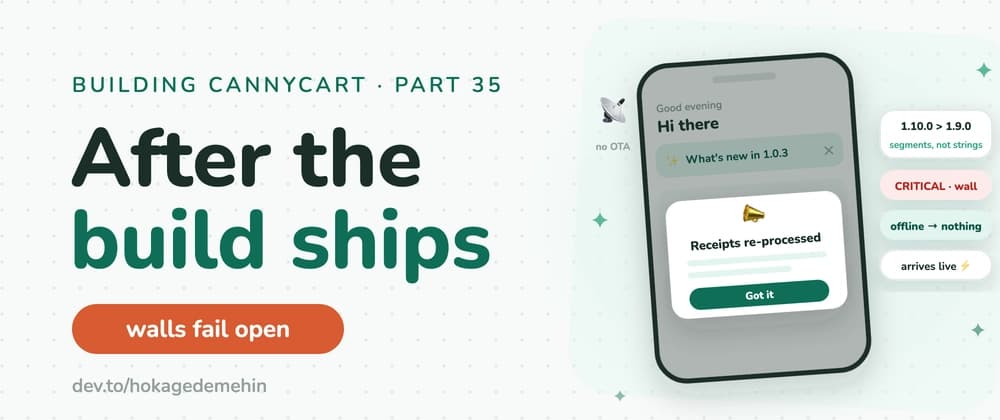
6 Sept
6 min read · reactnative · expo · mobile
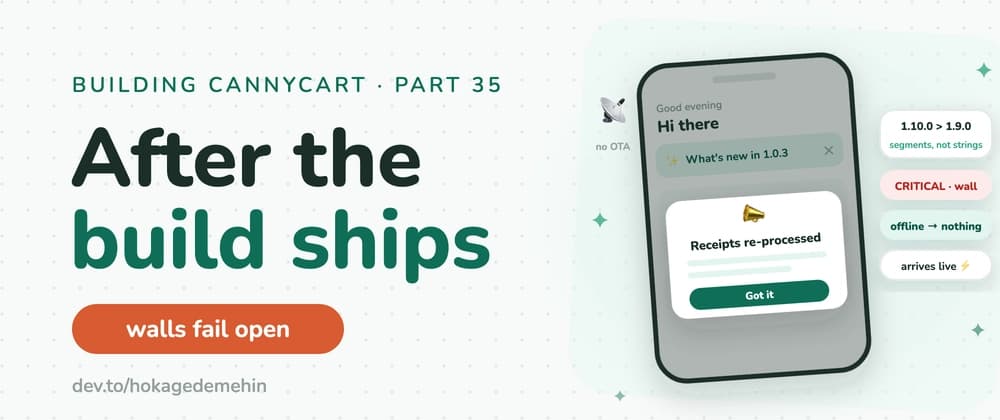
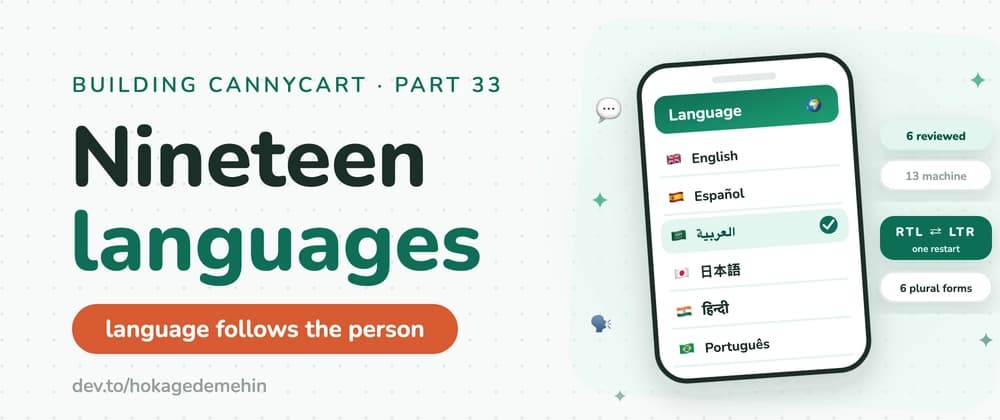
6 Sept
6 min read · reactnative · i18n · mobile
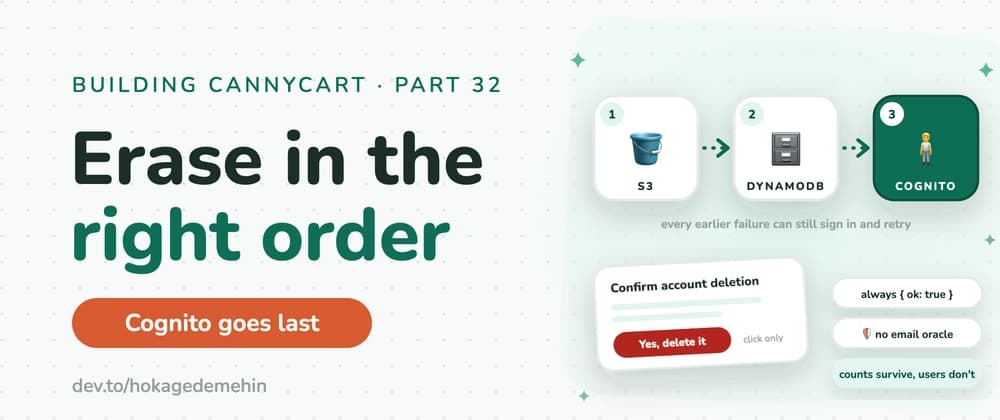
6 Sept
6 min read · aws · security · serverless
6 Sept
6 min read · reactnative · aws · architecture
6 Sept
4 min read · aws · cognito · serverless
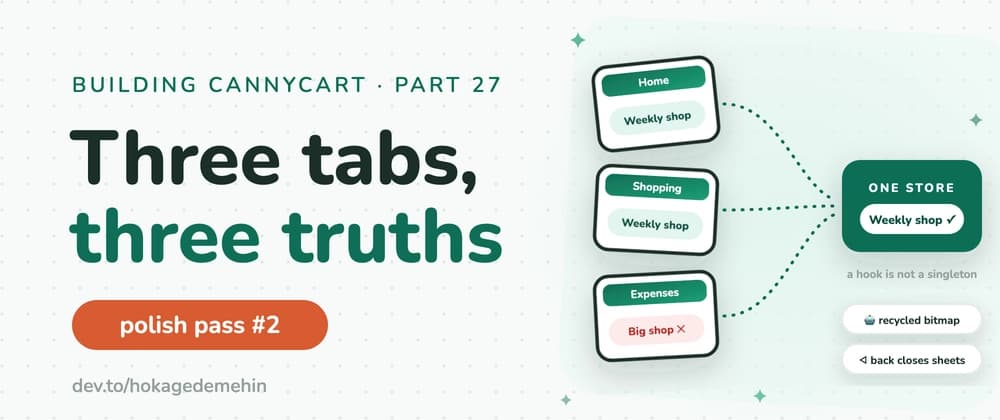
6 Sept
6 min read · reactnative · mobile · debugging
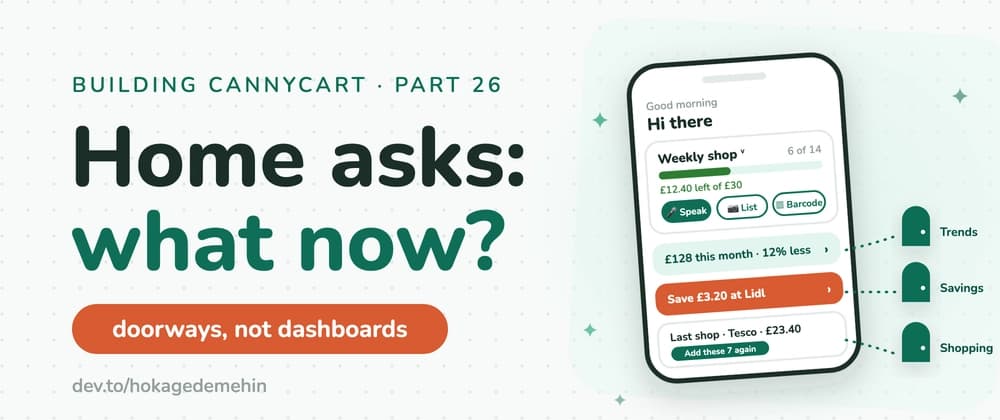
6 Sept
5 min read · reactnative · mobile · ux
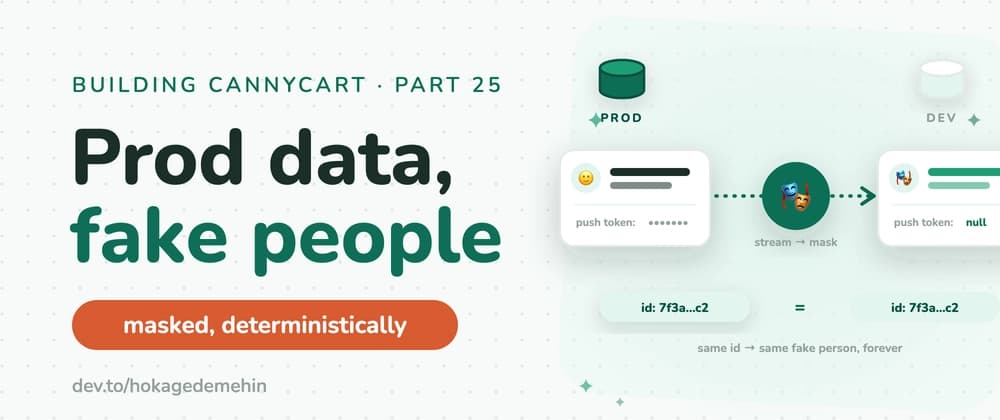
3 Sept
6 min read · aws · dynamodb · serverless
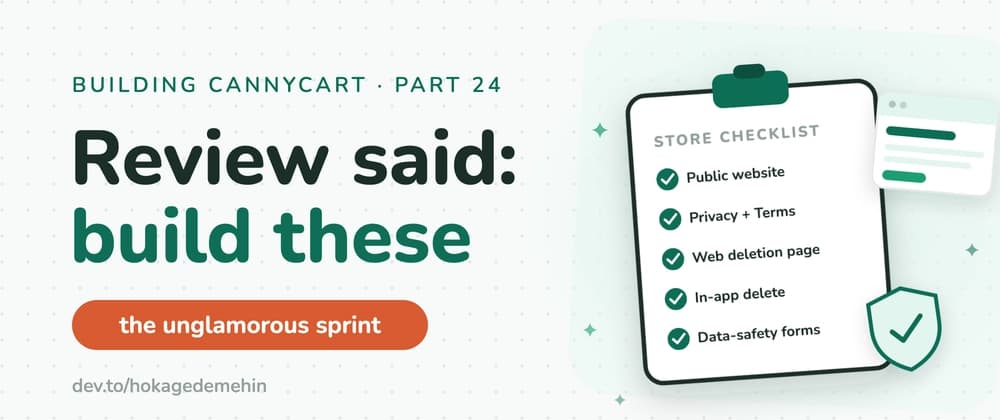
3 Sept
5 min read · reactnative · expo · mobile
3 Sept
5 min read · npm · expo · debugging
3 Sept
6 min read · reactnative · aws · architecture
22 Aug
6 min read · reactnative · i18n · mobile
22 Aug
7 min read · reactnative · datavis · mobile
22 Aug
7 min read · aws · ai · architecture
22 Aug
6 min read · reactnative · aws · mobile
22 Jul
7 min read · reactnative · mobile · ux
22 Jul
7 min read · reactnative · aws · architecture
21 Jul
6 min read · aws · dynamodb · reactnative

21 Jul
6 min read · reactnative · expo · ai
21 Jul
5 min read · reactnative · expo · android
21 Jul
6 min read · reactnative · expo · reactquery
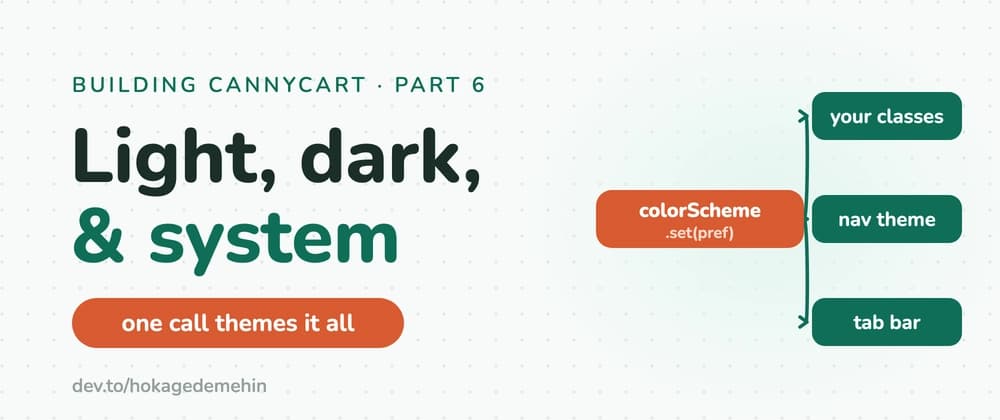
20 Jul
6 min read · reactnative · expo · nativewind
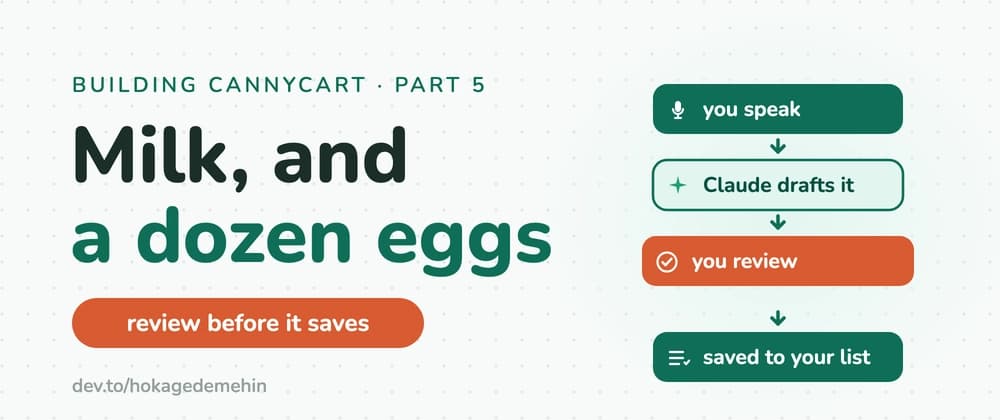
20 Jul
6 min read · expo · react · ai
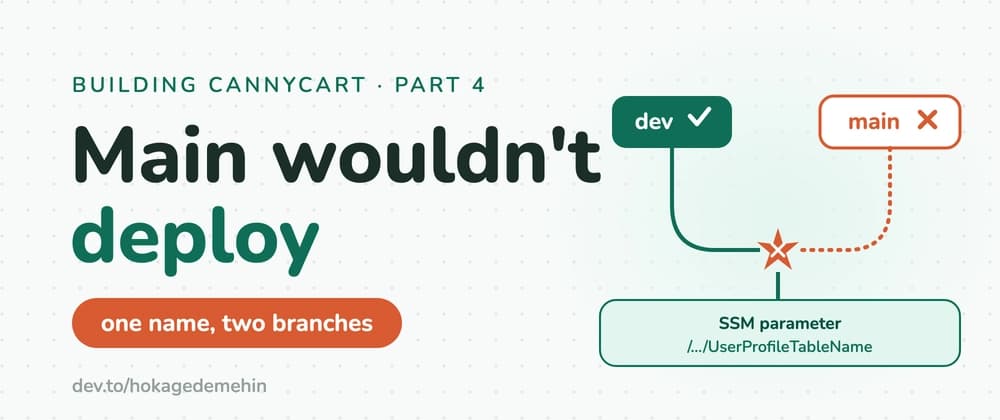
20 Jul
6 min read · aws · amplify · cloudformation
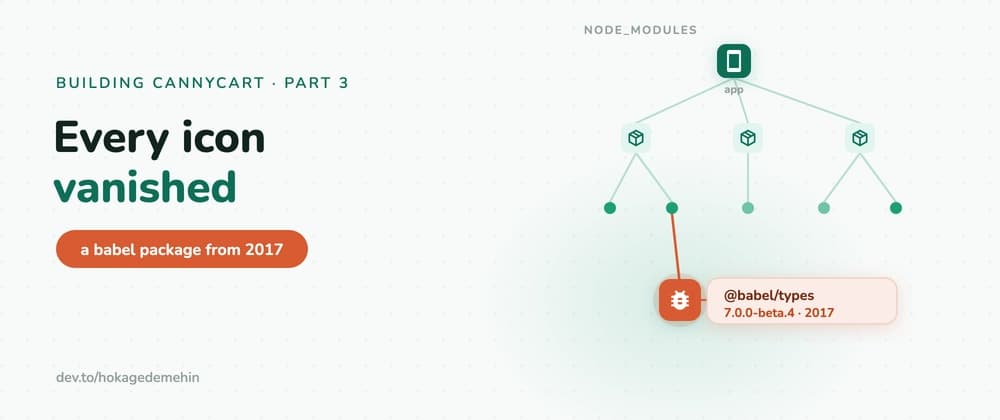
20 Jul
5 min read · reactnative · expo · debugging
20 Jul
7 min read · buildinpublic · aws · expo
20 Jul
4 min read · buildinpublic · aws · expo